How to Find Your Authentic Voice as a Teacher, Facilitator or Space Holder
How to Find Your Authentic Voice as a Teacher, Facilitator or Space Holder
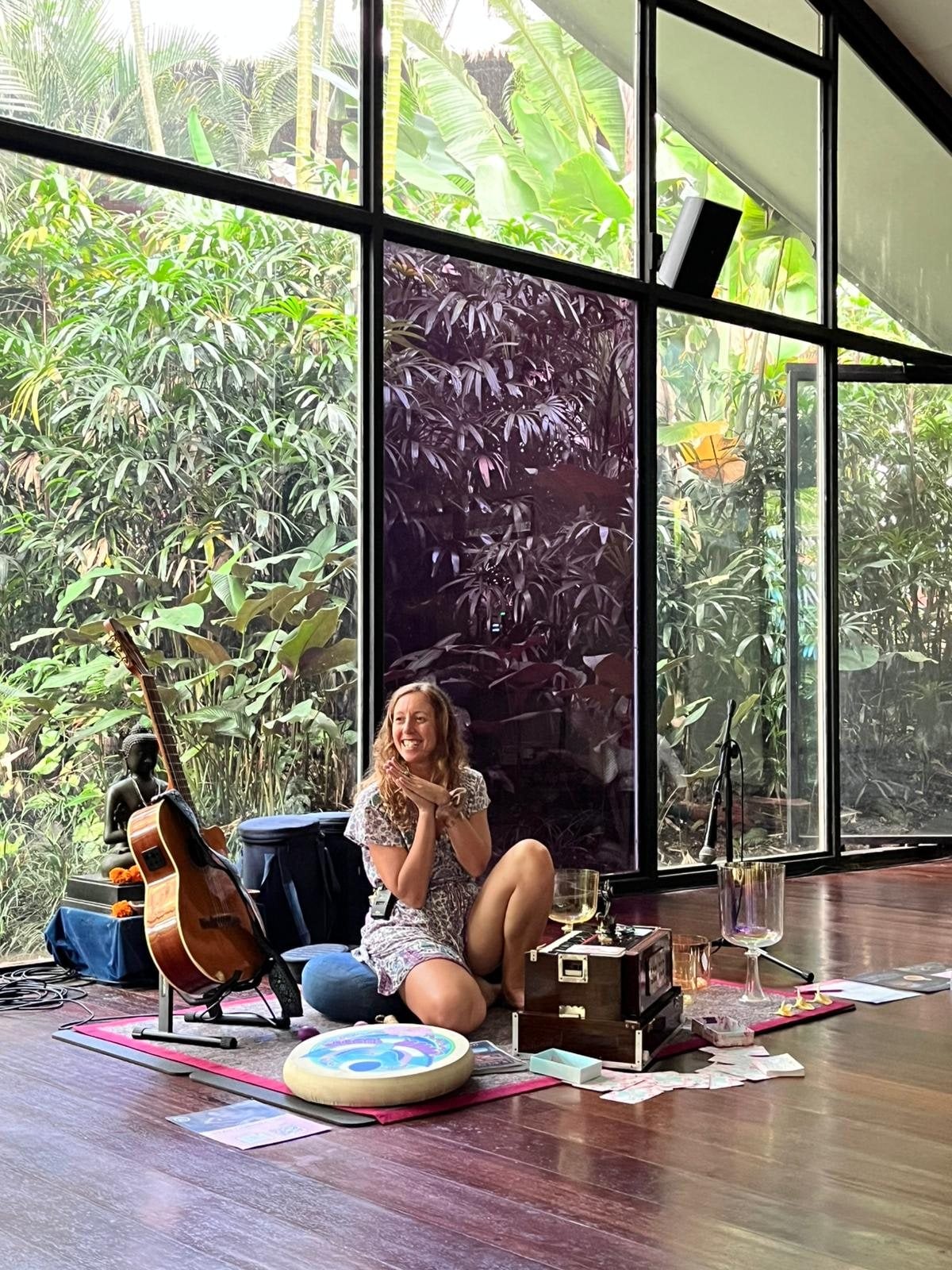
You stand at the front of the room. Maybe it’s a yoga class, a workshop, a women’s circle, a retreat, a team meeting. People are looking at you, waiting for you to begin. You open your mouth and a voice comes out that doesn’t quite feel like yours.
It might be a little higher than your everyday voice. A little faster. A little too careful. Or it sounds exactly like the teacher who trained you, cue for cue.
By the end of this page you’ll know which “teaching voice” you tend to slip into, why it happens, and seven simple practices to find the voice that’s actually yours, so the people in your room feel you, and you feel at home leading them.
Try this first (about 90 seconds)
Sit or stand comfortably and let your jaw hang a little loose. Sigh out loud twice. Now hum on a low, easy note for a whole exhale, and notice where you feel it buzz: chest, throat, face. Take one more breath and speak the first line you usually say to open a class, starting on that same hummed note, slower than feels normal. Something like “Welcome, let’s begin by arriving.” Notice how different that sounds from your usual opener. That’s closer to your own voice.
Here’s the piece most teacher trainings leave out. You can learn every cue, every sequence and every bit of philosophy, and still not sound like yourself, because your voice is run by your nervous system before it’s run by your mind. When part of you is busy protecting you in front of a room, your voice is the first place it shows.
I’ve been teaching since 2008, and most of the people I train are new to teaching or new to using their voice in front of people. I see this every single time. The good news is that your authentic voice is already in there. It mostly needs to feel safe enough to come out.
What “authentic voice” means when you hold space
Your authentic voice is the voice you use when you feel safe enough to be yourself. It has two layers.
- The sound. Your natural pitch, pace, warmth and volume. The way you sound with a close friend at the kitchen table.
- The words. What you choose to say, the language you use, the stories you tell, the humour that slips out when you relax.
When both layers line up, people trust you. They may never be able to say why. They just feel that what you say and how you say it match, and their own bodies settle.
Stephen Porges, who developed polyvagal theory, describes the melody of the voice, its warmth and rhythm, as one of the main ways our nervous systems read whether we’re safe. Your room is listening to your tone long before it takes in your instructions.
Which of these sounds like you?
Most of us have a go-to teaching voice, and which one shows up depends on the room, the people in it and how we’re feeling that day. See if you recognise yourself.
- The borrowed voice. You sound like your teacher, or like “a yoga teacher” in general. Same cadence, same phrases, same sing-song. Start with writing your own cues.
- The pushed voice. Loud, bright, lots of energy, a little bit performing. You’re working hard to hold the room up. Start with finding your home note.
- The rushed voice. Fast, filling every gap, worried that silence means you’ve lost them. Start with letting silence do some work.
- The disappearing voice. Quiet, thin, trailing off at the ends of sentences, hoping nobody notices you. Start with finding your home note.
- The pleasing voice. Soft, sweet, a little higher, every instruction ending like a question. “Maybe if you’d like you could just…?” Start with landing your sentences.
Each of these is your system doing its best to keep you safe in front of people. The pushed voice is holding ground. The rushed voice wants to get through it. The disappearing voice is going still until it passes. The pleasing voice is keeping everyone happy so you stay connected. They all make sense, and none of them need to be fought.
Why your teaching voice drifts from your real voice
Gabor Maté talks about two needs we’re born with: attachment, being connected and accepted, and authenticity, being true to ourselves. When the two collide, especially when we’re young, we choose attachment every time. We learn to sound the way that keeps us loved.
Leading a room brings all of that right back up. Being seen by a group, being responsible for their experience, maybe being paid by them: of course your body reaches for the voice that has kept you accepted before.
And it doesn’t fully go away with experience. I’ve practiced for years, and my voice still tightens in certain moments, like when I need to name a boundary. What changes is that you notice it sooner, and you know how to come back.
When students expect you to be enlightened
If you teach yoga, meditation, sound or any of the spiritual arts, there’s an extra layer. Students can project an image onto you of how you “should” be: enlightened, calm all the time, perfect in your habits and your choices. It’s so easy to start teaching from that image, and your voice gets careful and polished to match it.
The truth is, you’re human, and so am I. The most trustworthy thing you can do is let your voice be honest about that: what you’re still learning, what you find hard, what you don’t know yet. That honesty gives your students permission to be human too.
Seven practices to find your authentic teaching voice
1. Notice which voice shows up, and when
After your next class or session, take two minutes and jot down: Which voice did I use? When did it change? Who was in the room? Most people find a pattern quickly. Maybe the borrowed voice comes out at the start and your real voice arrives halfway through. Maybe the pleasing voice shows up when someone more experienced is in the room. Awareness comes before change, and this one costs you nothing.
2. Find your home note
Use the 90-second practice above before every class for a week. Hum, find the note that feels easy and buzzy, then speak your opening line from there. Your home note is usually a little lower than the voice you’ve been teaching in. When you speak from it, your breath gets longer and your body tells the room it’s okay to relax.
3. Let silence do some work
Give one instruction. Then stop talking for one full breath. It’ll feel like forever the first few times. For your students it feels like space to actually do what you asked. Pauses also give your own nervous system a moment to catch up, and that’s often when your real voice slips back in.
4. Write your own cues
Pick three cues you say in every class that you inherited from someone else. Write each one down, then rewrite it the way you’d say it to a friend you were helping in your living room. Read both versions out loud. Keep the one that sounds like you, even if it’s less poetic. Especially if it’s less poetic.
5. Land your sentences
Notice whether your instructions end going up, like a question, or settling down. Invitations can still be clear and kind. “Close your eyes, or soften your gaze.” “Take your time here.” Let the end of the sentence come down to rest. You’ll feel more grounded saying it, and the people listening will feel held.
6. Let more of you into the room
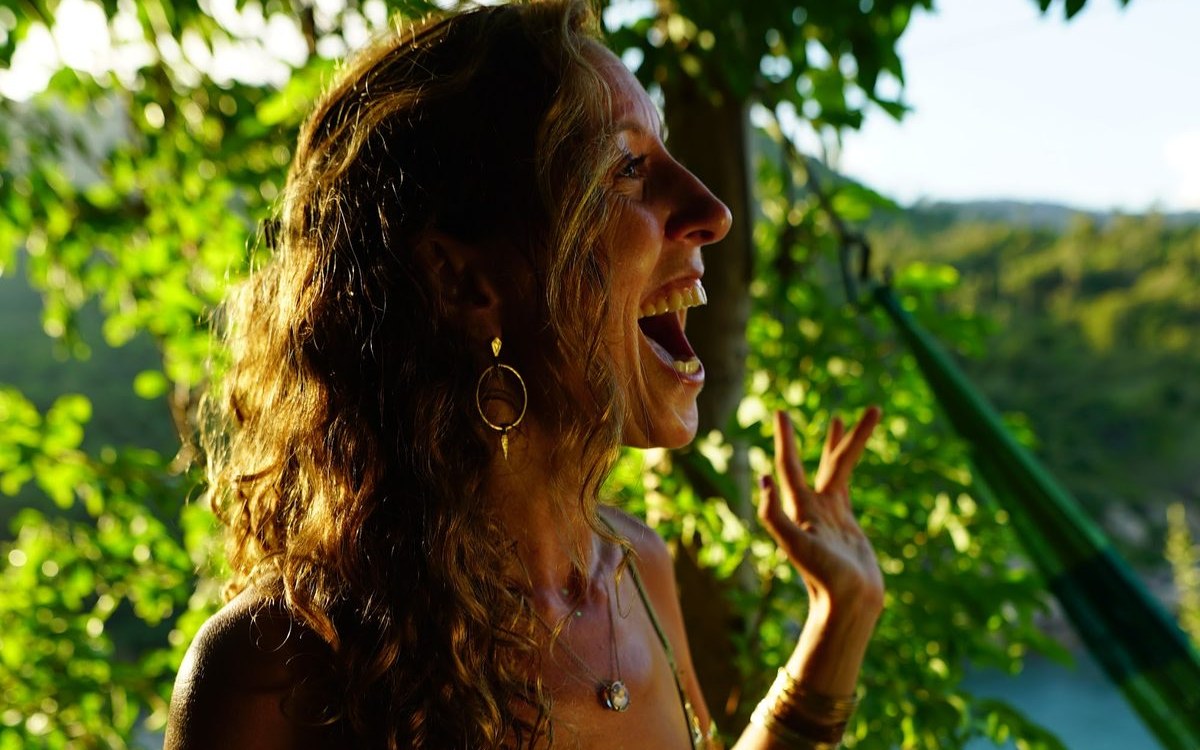
Your authentic voice includes your humour, your stories, your quirks and the things you love. If you sing, sing. If you’re funny, let yourself be funny. If something moved you this week, share one line of it. Keep the focus on your students, and let them meet a real person at the front of the room. Record one class and listen back once, kindly, the way you’d listen to a student. Notice the moments you sound most like you.
7. Practice in safe rooms first
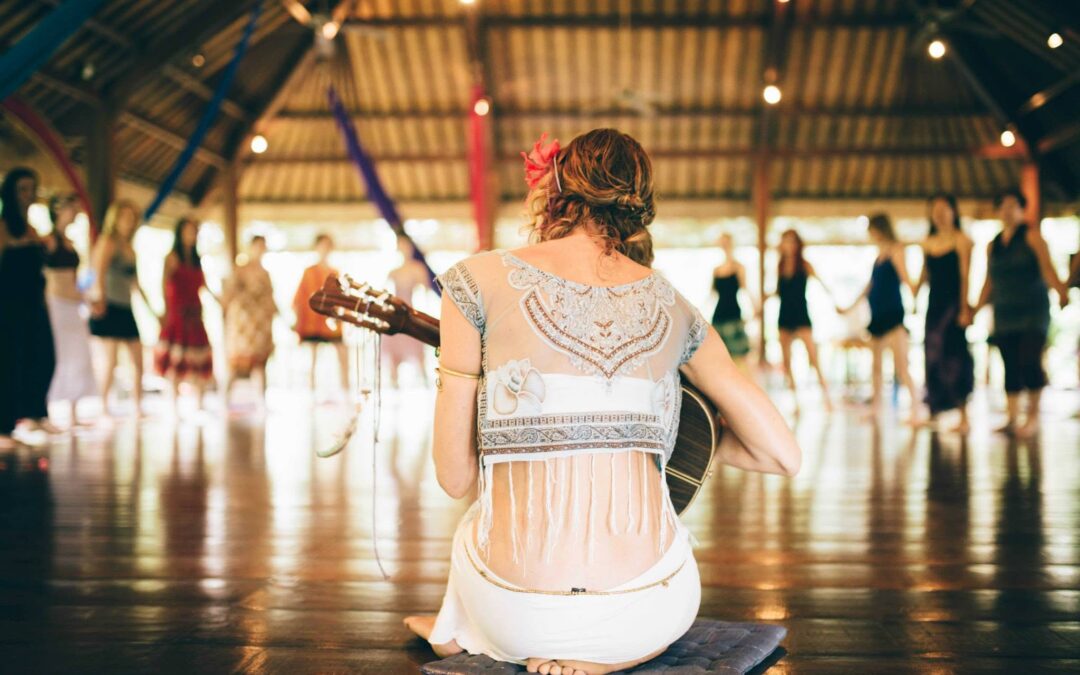
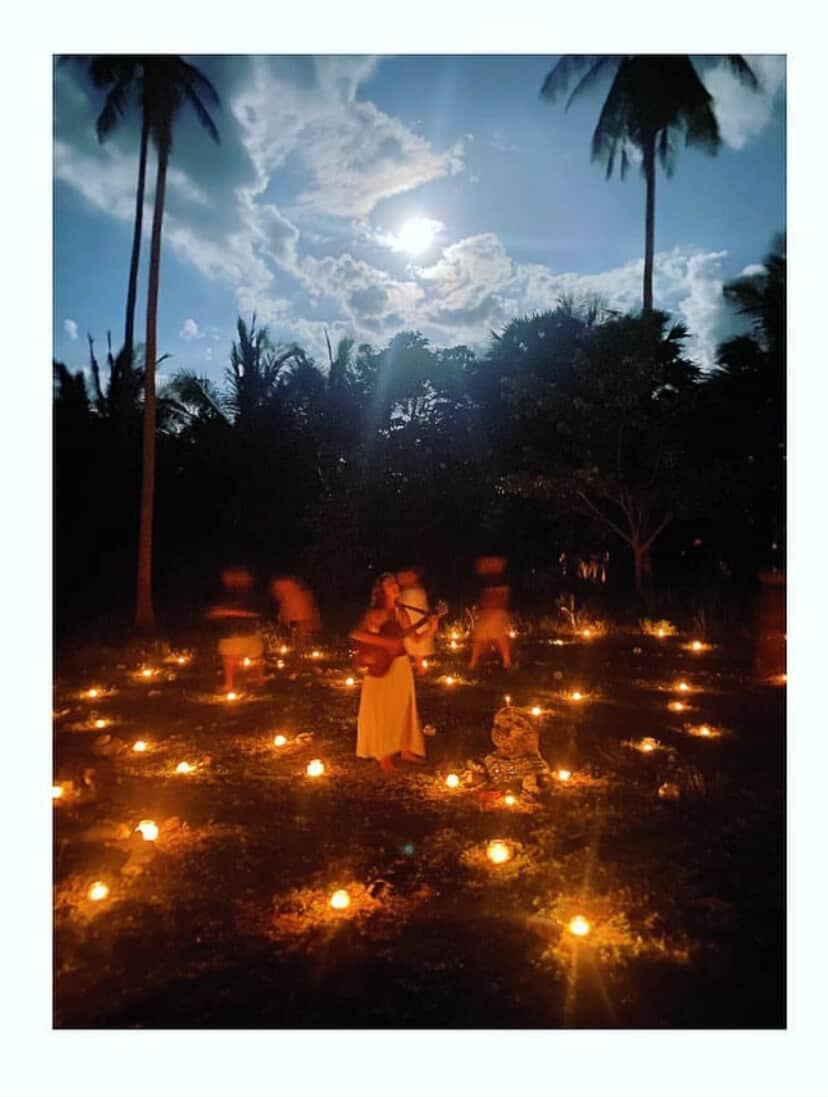
Your voice grows where it feels safe. Practice new things with a peer, in a small circle, or with a group that already loves you before you take them to a big workshop. Singing together is one of the fastest ways I know to build this, because when a whole room makes sound, nobody is performing alone and your voice gets to stretch without pressure.
Your voice is how you hold the room
When you lead, people borrow your regulation. If your voice is steady and warm, their bodies take the cue and soften. If your voice is rushed or pushed, they feel that too, even when your words are perfect. That’s why I teach voice to space holders as a leadership skill, right alongside sequencing and philosophy.
It’s a practice you grow into one class at a time. If I can find my voice again after losing it, then so can you.
I’d love to hear which of the five voices you recognised. Send me a message on Instagram @francielaflow and tell me.
Want to lead with a voice that feels like home?
The Vocal Flow Facilitator Training is five days at The Yoga Barn in Ubud for yoga teachers, facilitators and space holders. You’ll work with your own voice first, then learn to hold singing circles and lead with your voice in any room you hold.
See the trainingNot ready for a training? My free Vocal Flow Facilitator’s Blueprint walks you through a whole 60-minute singing circle, step by step. You might also enjoy What Happens at a Singing Circle?

About Francie
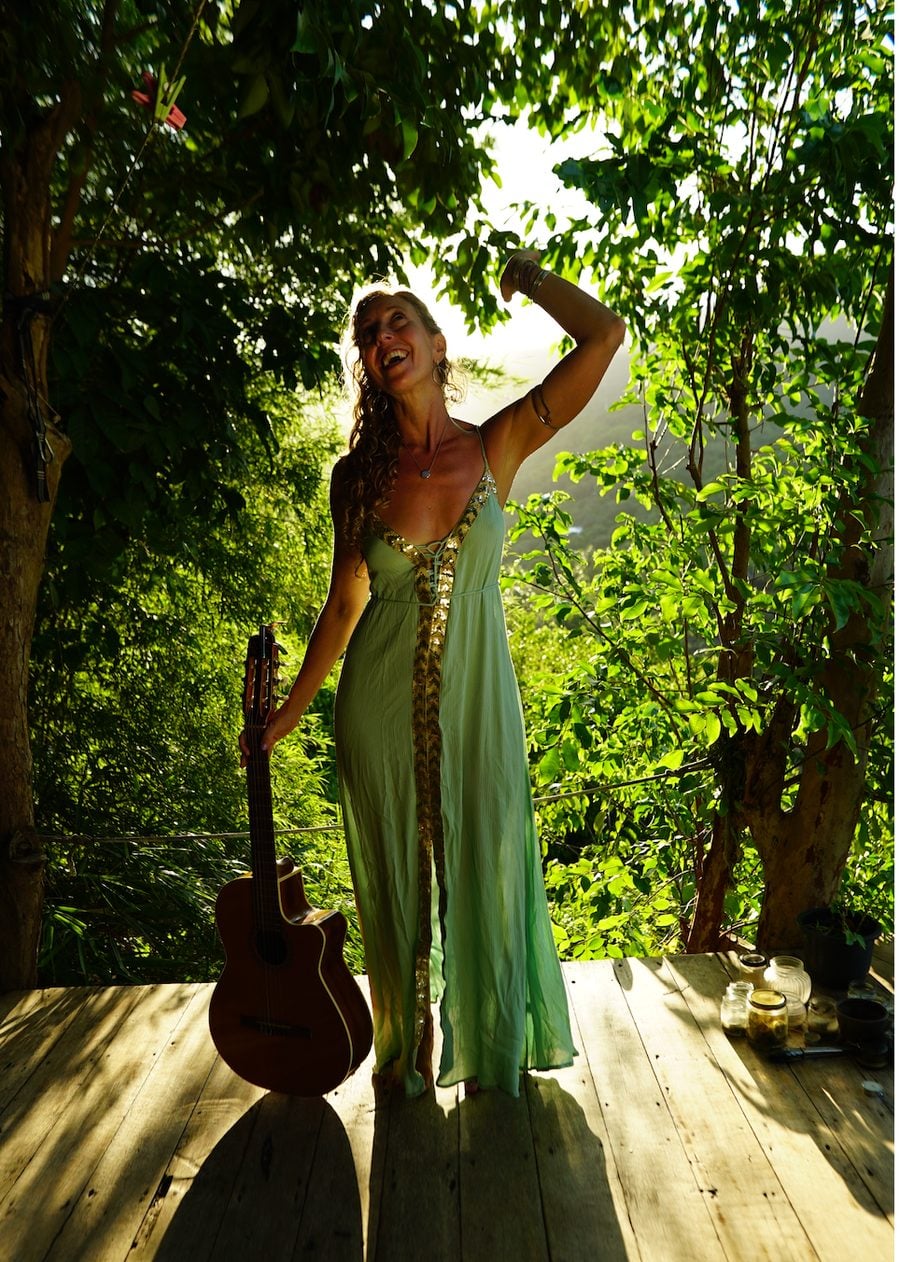
Francie La Flow is a voice healer, somatic guide and bhakti musician based in Ubud, Bali. She has been teaching since 2008 and helps people come home to their voices through yoga, sound, singing circles, retreats and 1:1 sessions.



















































































 Travel & Hospitality Awards